All burning canyoning questions and answers on one place
Can you do canyoning if you can’t swim?
FAQ – All burning canyoning questions and answers on one place
Looking for answers to all your burning canyoning questions? Look no further! Our comprehensive post has all the information you need, conveniently located in one place. Discover tips, safety guidelines, best practices, and more. Get ready to conquer those canyons with confidence!
What is canyoning?
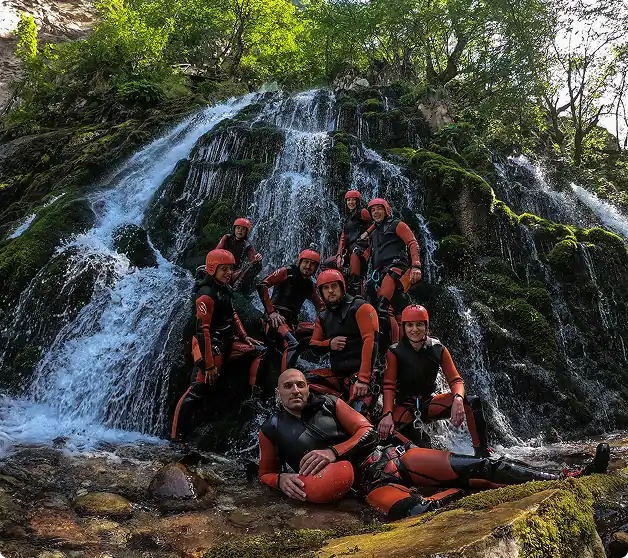
Canyoning, also known as canyoneering, is an exhilarating adventure activity that involves exploring canyons by traversing through various natural obstacles such as cliffs, waterfalls, and narrow passages. Unlike hiking or climbing, canyoning requires a combination of several skills including rappelling, swimming, jumping, scrambling, and sometimes even sliding down natural water slides.
Canyoning offers a unique experience of immersing oneself in the beauty of nature while navigating through the geological wonders carved by water over thousands of years. It allows adventurers to explore remote and often inaccessible areas, revealing hidden gems that can only be discovered by descending deep into the heart of canyons.
What sets canyoning apart from other outdoor activities is the element of uncertainty it presents. Every canyon is different, offering its own set of challenges and surprises. As you make your way through cascading waterfalls and steep cliff faces, you need to rely on your problem-solving skills and physical agility to overcome obstacles and reach the end of the canyon.Canyoning is not just about conquering nature; it also provides an opportunity to develop personal resilience, teamwork, and trust among participants. It requires coordination and cooperation to navigate through the canyon safely, often relying on the guidance and support of fellow canyoneers.In addition to the thrill and adrenaline rush, canyoning allows you to witness the breathtaking beauty of Mother Nature up close. The enchanting combination of flowing waters, smooth rock formations, and lush vegetation creates a surreal environment that captivates all your senses.Whether you are a seasoned adventurer or a beginner seeking a new challenge, canyoning offers a unique and memorable experience that will leave you in awe of the wonders of nature. It is a chance to push your limits, embrace the unknown, and create lasting memories surrounded by the untamed beauty of canyons.
.webp)
Can I go snorkeling if I don’t know how do you swim?
No, it is not recommended to do canyoning if you can’t swim. Swimming skills are essential for canyoning as it involves navigating through water-filled canyons, rivers, and pools.
What is canyoneering activity?
Canyoneering is an adventure activity that involves navigating through narrow canyons or gorges, often with steep rock walls and flowing water. It combines elements of hiking, swimming, scrambling, and rappelling, making it a thrilling and challenging outdoor pursuit. Canyoneering typically requires specialized equipment such as helmets, harnesses, ropes, and canyoning shoes, as participants descend into canyons by rappelling down waterfalls, sliding or jumping into pools, and maneuvering through various obstacles.
This activity allows individuals to appreciate and explore the natural beauty of canyons, experiencing the unique formations, water features, and stunning landscapes that exist within these natural environments. Canyoneering is popular in locations with accessible canyons, such as Utah in the United States or Dalat in Vietnam, where enthusiasts can test their skills, conquer fears, and enjoy an immersive outdoor adventure.
Is canyoneering difficult?
Yes, canyoneering can be difficult. It requires physical strength, endurance, and technical skills such as rappelling, scrambling, and climbing. Additionally, navigating through steep and narrow canyons can be mentally challenging. However, with proper training, experience, and safety measures, it is a rewarding outdoor activity.
What do you do in canyoning?
In canyoning, you navigate through canyons by a variety of means such as hiking, climbing, rappelling, jumping, and swimming. It involves descending steep canyon walls, exploring narrow and rugged canyon passages, and often includes encounters with waterfalls, natural pools, and challenging terrain. Canyoning combines elements of adrenaline, adventure, and exploration, providing a thrilling and immersive experience in the beauty and serenity of nature.
What is canyoning explained?
Canyoning can be best described as an exhilarating adventure that combines hiking, swimming, and scrambling through narrow and rocky canyons. It involves navigating through steep canyon walls, often requiring rope techniques, jumps into crystal-clear pools, and sliding down natural toboggans carved by the water. The experience allows individuals to explore the hidden wonders of nature while immersing themselves in a thrilling and adrenaline-pumping activity that pushes personal boundaries.
In essence, canyoning is an adrenaline-fueled journey that unlocks a world of breathtaking landscapes and unforgettable experiences.
Is canyoning an extreme sport?
Yes, canyoning can definitely be classified as an extreme sport due to the challenging nature of navigating through narrow canyons, sometimes involving rappelling, jumping into waterfalls, and traversing rugged terrain. It combines elements of rock climbing, white-water rafting, and hiking, providing an adrenaline-pumping adventure that pushes individuals beyond their comfort zones. The combination of physical exertion, technical skills, and potential risks involved in canyoning make it an exhilarating and extreme experience.
What’s the difference between canyoning and rappelling?
Canyoning is an adventurous activity that involves traversing a canyon by employing a combination of techniques such as swimming, walking, jumping, and sliding, while rappelling is a technique specifically used for descending a vertical surface using ropes and specialized equipment. Although both activities may involve descending down cliffs or waterfalls, canyoning offers a broader range of experiences, including natural water slides and pools, whereas rappelling generally focuses solely on vertical descents.
Canyoning showcases the diversity of a canyon’s landscape and requires a mix of skills, whereas rappelling primarily focuses on the technical aspect of descending safely.
es, you can go snorkeling even if you don’t know how to swim. Snorkeling is an activity that can be enjoyed by non-swimmers as well. While some basic swimming skills may be beneficial, they are not essential for snorkeling. You can wear a snorkel mask, fins, and a floatation device to help you stay buoyant and comfortable in the water. Additionally, many snorkeling spots have shallow areas or calm waters where you can easily stand or float while observing underwater life. Always ensure you go with a knowledgeable guide or experienced snorkeler to ensure your safety and enjoyment in the water.
Is it okay if you can’t swim?
While it is generally recommended to have basic swimming skills when participating in canyoning, it is possible to still enjoy the activity even if you can’t swim. However, it’s important to consider your own safety and the risks involved. Always consult with professional guides or instructors who can provide proper guidance and support during the canyoning experience. Additionally, wearing the necessary safety equipment, such as a flotation device or a life jacket, can significantly enhance your safety in the water. It’s crucial to be honest about your abilities and inform your guides about your non-swimming status to ensure they can adequately address any potential challenges or risks you may face.
How good of a swimmer to snorkel?
To enjoy canyoning, it is beneficial to have basic swimming skills, but being an exceptional swimmer is not necessarily a prerequisite. Canyoning typically involves navigating through various water-filled sections such as pools, waterfalls, and narrow gorges, which may require swimming short distances. However, buoyancy aids like life jackets are often provided, ensuring your safety even if you are not an expert swimmer.
Additionally, local guides and instructors will provide necessary guidance and support throughout the adventure, making canyoning accessible to individuals with different swimming abilities. Remember, the key is to feel comfortable in the water and have a willingness to experience the thrill of exploring breathtaking canyons.
What is canyoneering activities?
Canyoneering activities encompass a thrilling adventure that combines elements of hiking, rock climbing, swimming, and rappelling in the magnificent natural settings of canyons. It involves maneuvering through narrow gorges, cascading waterfalls, and steep cliffs, pushing the boundaries of exploration and providing an exhilarating experience unlike any other outdoor pursuit.
Canyoneering allows you to fully immerse yourself in the rugged beauty of canyons while testing your physical abilities, problem-solving skills, and appreciation for nature’s wonders.
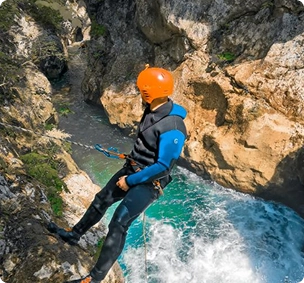
What is the meaning of canyoneering?
When going canyoning, it is essential to pack the right gear for a safe and enjoyable adventure. Here are a few unique items you might want to bring along:
1. Sense of Adventure: Don’t forget to bring your adventurous spirit! Canyoning is an exhilarating activity that demands courage and a willingness to step out of your comfort zone.
2. Waterproof Camera: Capture the breathtaking moments and stunning landscapes while keeping your memories alive. A waterproof camera will allow you to take photos or shoot videos without worrying about water damage.
3. Energy-Boosting Snacks: Canyoning can be physically demanding, so bring some energy-boosting snacks like protein bars, trail mix, or dried fruits. These will provide you with the necessary fuel to keep going during your canyoning journey.
4. Dry Bag: To protect your belongings from getting wet, it is essential to have a reliable dry bag. This waterproof bag will keep your extra clothes, phone, and valuables safe from water exposure, allowing you to fully enjoy the experience without worrying about your gear.
5. Spare Clothes: It’s wise to pack an extra set of dry clothes to change into after your canyoning adventure. It will offer you great comfort and warmth, preventing any discomfort from damp or wet clothes.
6. Positive Attitude: Attitude plays a significant role in any adventure. Approach canyoning with a positive mindset, embracing challenges and enjoying every moment.
Remember, the specific equipment required depends on the difficulty and location of the canyoning trip. Always consult with a professional guide or instructor to ensure you have the right gear for a safe and unforgettable canyoning experience.
How much does canyoning cost?
Canyoning costs vary depending on the location, duration, and level of difficulty. It is always recommended to check the specific website or contact the company directly for the most accurate and up-to-date pricing information. The price for canyoning in Bosnia, specifically in the Hrcavka canyon with Outdoor Tara canyoning club offers (PRICE OF ARRANGEMENT: 100€). More information can be found on our Outdoor Tara website .
Canyoning is english?
No, canyoning is not solely an English activity. It is a thrilling outdoor recreational sport that originated in Europe, particularly in the mountains and canyons of Switzerland, France, and Spain. However, over time, canyoning has gained popularity worldwide, with enthusiasts and adventure-seekers partaking in this exhilarating activity in various countries across the globe. So, while English-speaking individuals can undoubtedly enjoy canyoning, it is not exclusive to the English language or culture.
Is canyoning a word?
Yes, canyoning is indeed a word. Canyoning refers to the exhilarating adventure sport that involves traversing through canyons using a variety of techniques such as climbing, rappelling, swimming, and hiking. It allows individuals to explore stunning natural landscapes and experience the thrill of navigating through waterfalls, narrow passages, and rugged terrains. So, canyoning is not only a word but also a fantastic outdoor activity for adventure enthusiasts!
What does canyoning mean in english?
In English, canyoning refers to an exhilarating adventure activity that involves navigating through narrow and steep canyons by undertaking a variety of thrilling techniques such as hiking, climbing, rappelling, and swimming. It combines the excitement of exploring natural landscapes with the challenge of conquering obstacles using the power of your own body.
Where to do canyoning?
Canyoning, also known as canyoneering, offers a thrilling adventure among nature’s wonders, and there are countless breathtaking destinations worldwide to indulge in this exhilarating activity. From striking canyons carved by gushing rivers to hidden gorges hidden amidst lush forests, the choices are endless. Here are a few unique locations to explore when it comes to canyoning:
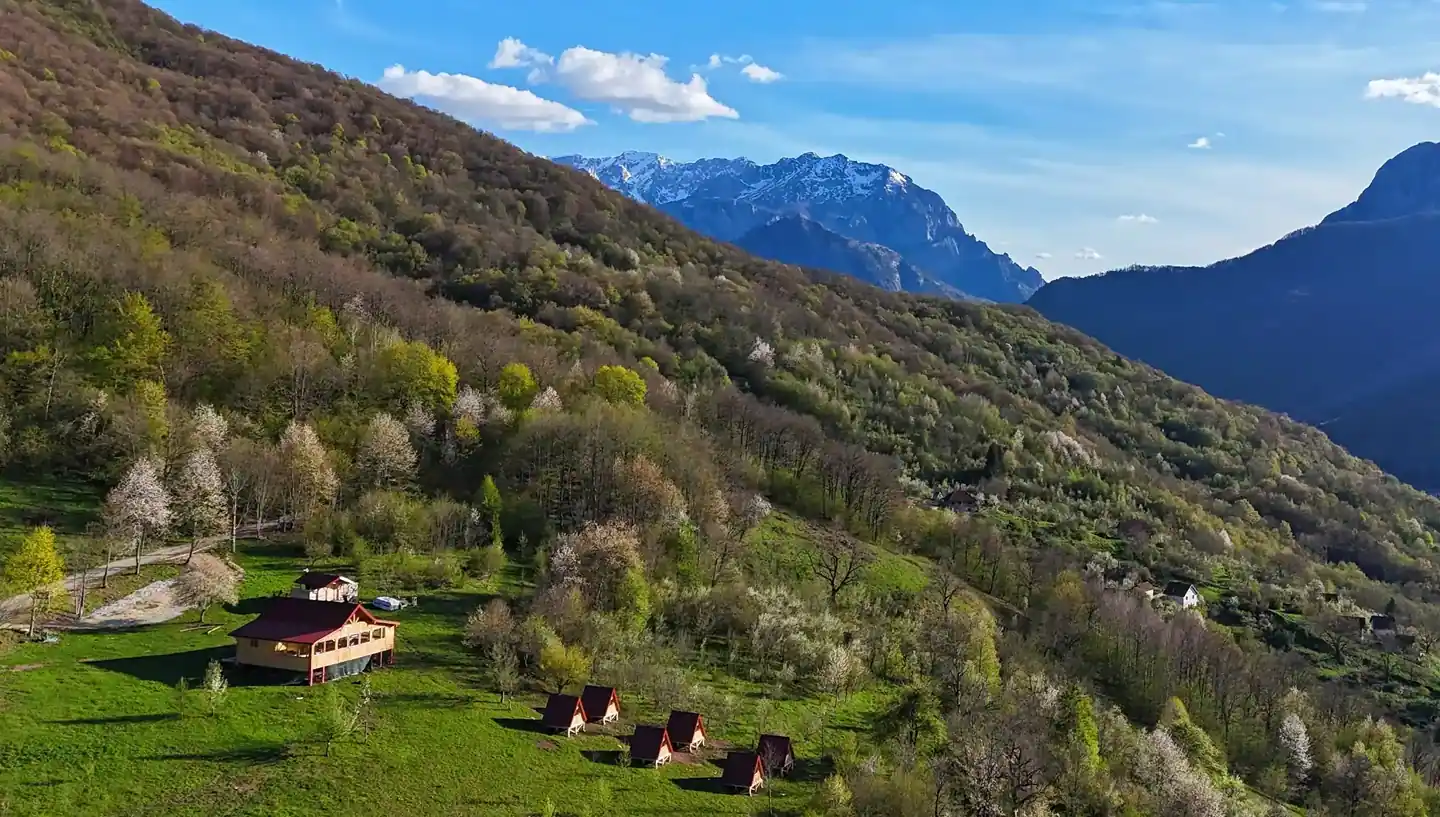
1. Canyoning Hrcavka, Bosnia: Nestled in the heart of Bosnia, Canyoning Hrcavka offers a remarkable experience. As you traverse this stunning canyon, you will be captivated by its breathtaking beauty. With its crystal-clear turquoise water, towering cliffs, and luscious green surroundings, Canyoning Hrcavka promises an unforgettable journey. The place is suitable for beginners, allowing you to enjoy various activities such as rappelling, sliding down natural rock slides, and plunging into pools of refreshing water. This hidden gem of Bosnia is a must-visit for canyon enthusiasts seeking a mix of adventure and natural wonder.
2. Canyoning Nevidio, Monte Negro: If you’re an experienced canyoneer seeking a thrilling challenge, Canyoning Nevidio in Montenegro is the place for you. Known for its extreme vertical descents, breathtaking narrow passages, and spectacular waterfalls, Nevidio offers an adrenaline-filled adventure. This canyon is not for the faint of heart, as you will encounter demanding rappels, swim through icy water, and squeeze through tight sections that will put your skills and courage to the test. The dramatic scenery and untouched nature make Canyoning Nevidio a hidden gem for adrenaline junkies who are ready to push their limits.
3. The Verdon Gorge, France: Nestled in southeastern France, the Verdon Gorge is known as the “Grand Canyon of Europe.” Its dramatic limestone cliffs and turquoise waters create a mesmerizing setting for canyoning enthusiasts, promising an unforgettable experience within its towering walls.
4. Waitomo Caves, New Zealand: Embark on an otherworldly canyoning adventure in Waitomo, where you’ll navigate through underground networks of limestone caves. Glimmering with thousands of glowworms, this unique location adds a touch of magic to your canyoning journey.
5. Zion National Park, USA: Tucked away in the heart of Utah, Zion National Park offers a diverse range of canyoning opportunities. From scaling towering red sandstone walls to plunging into emerald-colored pools, you’ll be immersed in nature’s awe-inspiring beauty.
6. Kawasan Falls, Philippines: Experience canyoning like no other in the tropical paradise of Kawasan Falls. Located on the island of Cebu, this destination provides an exhilarating mix of cascading waterfalls, azure pools, and lush greenery, making it a true canyoning haven.
7. Wadi Mujib, Jordan: Venture into the deep canyons of Wadi Mujib, a majestic gorge that flows into the Dead Sea. With its plunging waterfalls and narrow passages, canyoning here offers an extraordinary blend of physical challenge and natural splendor.
Remember, these are just a few remarkable options among innumerable canyoning destinations worldwide. As you explore this dynamic outdoor pursuit, always prioritize safety and seek professional guidance to ensure you make the most of your canyoning adventures.
Canyoneering is the art of surrendering to the compelling beauty and exhilarating challenges that nature’s majestic canyons offer. It is about immersing oneself in the raw wilderness, navigating through narrow gorges and stunning landscapes while embracing the unexpected twists and turns that each canyon presents. In essence, canyoneering is the ultimate fusion of exploration, adventure, and connection with the hidden wonders of our planet’s geological marvels.
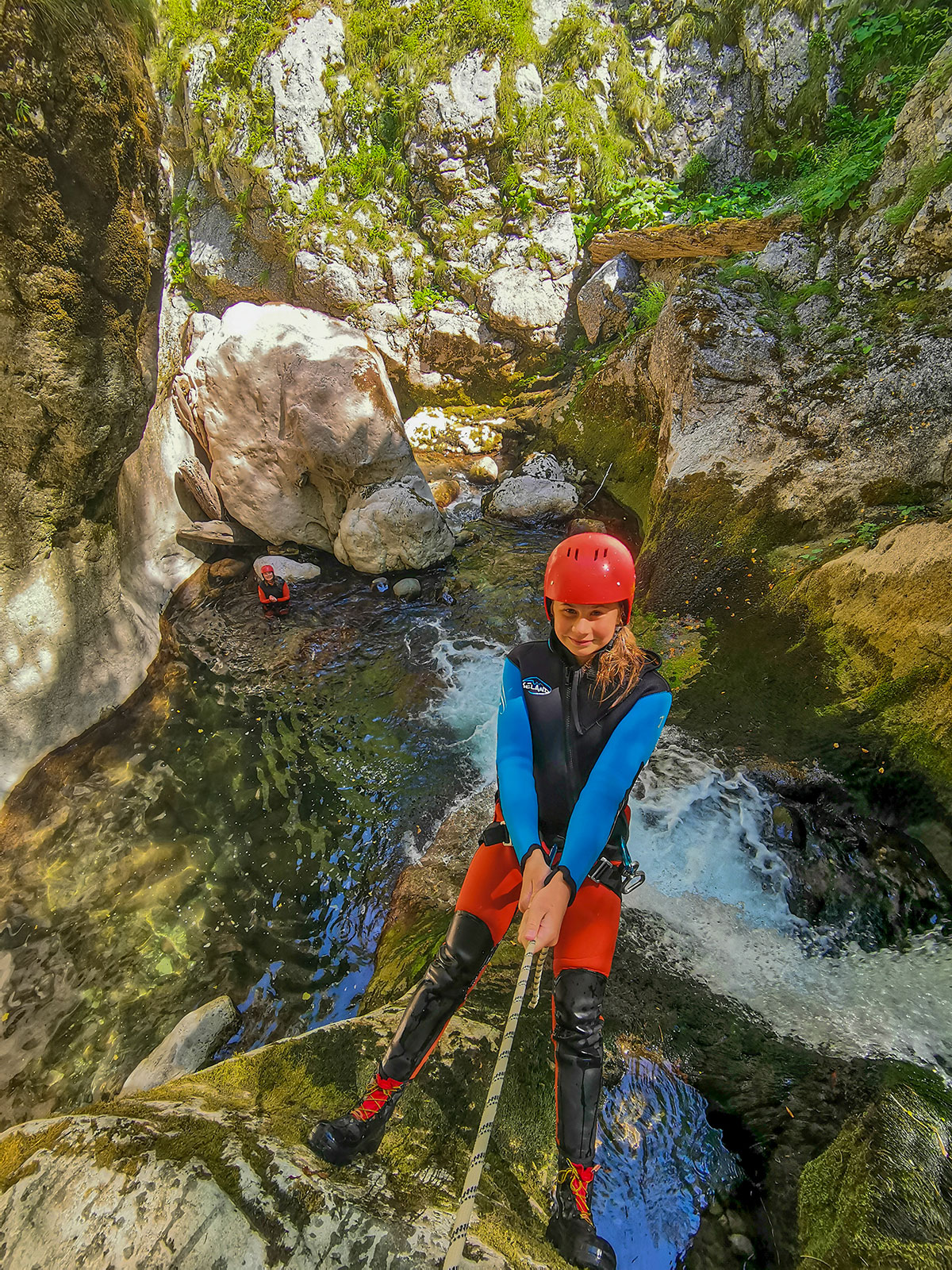
What is the difference between canyoning and canyoneering?
While canyoning and canyoneering may sound very similar, there is a subtle but noteworthy distinction between the two. Canyoning primarily refers to the thrilling and adventurous activity of exploring canyons using a variety of techniques, including walking, swimming, sliding, jumping, and rappelling. This term is commonly used in Europe, Australia, and New Zealand.
On the other hand, canyoneering, predominantly used in the United States, specifically refers to the technical and vertical descents in canyons using specialized equipment such as ropes, harnesses, and anchors. It emphasizes the use of technical skills like rappelling and rope work to navigate through the challenges presented by canyons.
Ultimately, while both canyoning and canyoneering involve the exploration of canyons, the distinction lies in the level of technicality involved. Canyoning encompasses a broader range of activities, while canyoneering focuses more on the technical aspects of descending canyons.
How hard is canyoneering?
Canyoneering can be as easy or challenging as you make it. With varying levels of difficulty, it provides something for every adventurer. Whether you prefer a leisurely rappel down a small waterfall or tackling intense river crossings and vertical descents, the level of difficulty ultimately depends on the specific canyon you choose and your experience level. So, the level of difficulty in canyoneering is entirely up to you and the adventure you seek!
How do I prepare for canyoneering?
Preparing for canyoneering requires a combination of physical fitness, proper equipment, and knowledge of the chosen canyon. Here are a few unique tips to help you prepare for this adventurous activity:
1. Assess your agility and endurance: Canyoneering involves various physical challenges such as hiking, scrambling, rappelling, and swimming. To prepare, engage in activities like rock climbing or hiking to build endurance and improve your overall fitness level. Incorporate exercises that focus on flexibility, balance, and core strength, as they will be crucial during canyon navigation.
2. Study the canyon: Each canyon presents unique obstacles and characteristics. Research and gather information about the canyon you plan to explore. Study topographic maps, review online resources, or even consult experienced canyoneers who have previously visited the area. Understanding the terrain, potential hazards, and weather patterns will help you plan accordingly and make informed decisions during your adventure.
3. Get acquainted with technical skills: Canyoneering may involve rappelling, anchor systems, rope management, and other technical skills. Attend a canyoneering course or seek guidance from experts to learn and practice these skills before attempting them in the canyon. Being familiar with proper techniques and equipment will enhance your safety and enjoyment.
4. Check your gear: Prioritize having appropriate canyoneering gear, including a helmet, harness, ropes, carabiners, wetsuit, proper footwear, and a dry bag for your essentials. Regularly inspect your gear to ensure it is in good condition and meets industry standards. Familiarize yourself with their usage and practice adjusting them before your adventure.
5. Respect the environment: Canyoneering often takes place in beautiful and fragile ecosystems. Prioritize conservation and leave no trace principles. Respect any flora, fauna, and geological formations you encounter. Minimize your impact by packing out your garbage and avoiding activities that harm the environment.
Remember, canyoneering can be an exhilarating experience, but it’s crucial to prioritize your safety and be well-prepared. By following these unique tips, you’ll embark on a rewarding canyoning adventure!
What is canyoneering risk?
Canyoneering risk refers to the potential hazards and dangers involved in participating in this exhilarating outdoor activity. While canyoneering can offer an exciting and rewarding experience, it also presents various risks that need to be carefully managed to ensure safety. These risks include but are not limited to: treacherous terrain, unpredictable weather conditions, rockfall or loose rocks, strong currents or flash floods, difficult navigation, potential injuries from jumps or falls, and isolated and hard-to-reach locations that may hinder rescue operations.
However, by taking proper safety precautions, being adequately trained and equipped, and staying aware of potential hazards, canyoneers can mitigate these risks and enjoy this thrilling adventure responsibly.
What states are best for canyoneering?
1. Utah: The state of Utah boasts an abundance of iconic canyons, making it a haven for canyoneering enthusiasts. Places like Zion National Park, with its stunning slot canyons, and Robbers Roost, with its captivating rock formations, offer thrilling canyoneering experiences.
2. Colorado: The breathtaking canyons of Colorado provide a variety of canyoneering opportunities. From the magnificent Black Canyon of the Gunnison to the exhilarating canyons near Ouray, Colorado offers a diverse range of canyoneering adventures amidst its picturesque landscapes.
3. Arizona: Known for its striking red rocks and deep canyons, Arizona offers canyoneering adventures that are hard to match. From the famous Antelope Canyon to the rugged beauty of the Grand Canyon, this state is an ultimate destination for canyoneering enthusiasts seeking unique and challenging experiences.
4. California: With its diverse terrain, California offers numerous canyons to explore. From the rugged canyons of Death Valley to the enchanting Narrows of Yosemite National Park, this state offers thrilling canyoneering opportunities for all skill levels.
5. Oregon: While not as well-known as some other states, Oregon harbors some hidden gems for canyoneers. The Columbia Gorge, with its lush waterfalls and dramatic cliffs, and the stunning canyons within the Klamath Mountains, offer unforgettable canyoneering experiences within the Pacific Northwest.
6. New Mexico: This state may surprise many with its canyoneering potential. The beautiful desert canyons found in areas like Santa Fe and Taos offer unique challenges and stunning landscapes, making New Mexico a fantastic destination for canyoneering enthusiasts looking for something off the beaten path.
Remember, canyoneering should always be approached with safety, proper gear, and the guidance of experienced individuals. Each state offers its own distinct canyoneering experiences, so be sure to research and plan accordingly to make the most of your adventure.
História do canyoning?
A história do canyoning remonta a séculos atrás, quando pessoas aventureiras e exploradoras começaram a explorar desfiladeiros e ravinas naturais, desafiando-se a superar os obstáculos e descobrir o que se escondia em seu interior.
No entanto, foi na década de 1950, nos Alpes franceses, que o canyoning como atividade esportiva começou a ganhar forma. Alpinistas e espeleólogos viram nos desfiladeiros uma nova forma de se divertir, combinando técnicas de escalada, natação, rapel e caminhadas em um único desafio.
Desde então, o canyoning se espalhou por todo o mundo, conquistando a imaginação de aventureiros e entusiastas de esportes radicais. Com o passar do tempo, equipamentos específicos foram desenvolvidos, permitindo que os praticantes explorassem cada vez mais desfiladeiros e descobrissem novas paisagens espetaculares.
Hoje em dia, o canyoning é uma atividade popular em muitos países, proporcionando experiências únicas em meio à natureza, onde desafios físicos e emocionais são superados e memórias inesquecíveis são criadas. É uma maneira de se conectar com a natureza de forma intensa e emocionante, tornando-se uma forma popular de escapismo e aventura para aqueles que buscam uma experiência diferente e única.
Is canyoning gevaarlijk?
Ja, canyoning kan gevaarlijk zijn. Het betreden van smalle en ruige kloven kan risico’s met zich meebrengen, zoals het zakken in diepe poelen, rotsvallen, stromingen en afdalingen van grote hoogte. Het is van essentieel belang om de juiste uitrusting te gebruiken, opleiding te hebben en veiligheidsprotocollen te volgen om het risico te minimaliseren en een veilige ervaring te garanderen.
Is canyoning safe?
Yes, while canyoning inherently involves risks, when undertaken under proper guidance and with appropriate safety measures, it can be a relatively safe activity. It is important to ensure that you receive proper training, use correct equipment, and follow safety guidelines provided by experienced guides. It’s also crucial to assess the weather and water conditions before canyoning to avoid potential hazards. By practicing responsible canyoning and being aware of the risks involved, you can enjoy a thrilling and safe adventure.
Is canyoning dangerous?
While canyoning can be an exhilarating and challenging adventure activity, it does come with inherent risks. The level of danger involved in canyoning greatly depends on various factors, such as the difficulty of the canyon, the experience and skills of the participants, and adherence to safety guidelines and precautions. With proper training, guidance from qualified instructors, suitable equipment, and careful planning, the risks associated with canyoning can be minimized to a great extent.
However, it is crucial to acknowledge that there is always a residual level of danger that cannot be entirely eliminated. As with any outdoor activity, it is essential to approach canyoning with respect, awareness, and a commitment to safety in order to fully enjoy the experience while minimizing the potential dangers.
Where is fryman canyon?
Fryman Canyon is located in the beautiful city of Los Angeles, California. Nestled in the heart of Studio City, this hidden gem offers a thrilling canyoning experience amidst the bustling urban life. From its winding trails to stunning views, Fryman Canyon invites adventure enthusiasts to explore a captivating blend of nature and cityscape, making it an excellent destination for canyoning enthusiasts seeking a unique and unforgettable outdoor pursuit.
Is canyoning a real word?
Yes, canyoning is indeed a real word. It refers to the exhilarating adventure activity of exploring canyons by means such as rappelling, hiking, swimming, and even jumping into natural pools. It combines elements of various outdoor activities and requires participants to navigate through narrow gorges, steep cliffs, and rushing water. So, not only is canyoning a real word, but it represents a thrilling and adrenaline-pumping pursuit for adventure enthusiasts worldwide.
What is canyoning in australia?
Canyoning in Australia is an exhilarating adventure activity that allows individuals to explore and navigate through the stunning canyons scattered across the country. It involves descending through rugged gorges, cascading waterfalls, and deep pools by using various techniques such as climbing, scrambling, jumping, and abseiling. This extraordinary experience allows nature enthusiasts to immerse themselves in Australia’s spectacular landscapes while testing their physical and mental limits.
With its diverse canyoning destinations, Australia offers a unique opportunity to witness the raw beauty of canyons and create unforgettable memories in the midst of untamed nature.
What are some popular canyoning destinations?
1. Bosnia Canyon Hrcavka, and Nevidio Canyoning, Montenegro: Some popular canyoning destinations around the world include Bosnia, where you can explore the exhilarating Hrcavka Canyon, and Montenegro, famous for its challenging nevidio canyoning experience. These destinations offer unique and breathtaking canyons that attract adventure-seekers and nature enthusiasts from all over the globe. In Bosnia, canyoning Hrcavka allows you to immerse yourself in a stunning natural environment, surrounded by cascading waterfalls, imposing rock formations, and crystal-clear pools. Meanwhile, nevidio canyoning in Montenegro offers an adrenaline-inducing adventure through a narrow and mystical gorge that challenges your physical capabilities and rewards you with unparalleled scenic beauty. If you’re seeking a thrilling and unforgettable canyoning experience, these destinations are undoubtedly perfect choices.
2. New Zealand’s Abel Tasman National Park: Known for its stunning granite canyons, pristine waterways, and breathtaking natural beauty, this park offers a canyoning experience like no other. With diverse canyoning routes catering to different skill levels, along with idyllic landscapes, Abel Tasman is a must-visit destination for adventure seekers.3. Utah’s Zion National Park: Nestled amidst the awe-inspiring red-rock canyons of the Southwestern United States, Zion National Park stands out as a canyoning paradise. The park features iconic canyons like The Narrows and Pine Creek Canyon, where adventurers can navigate narrow slot canyons, rappel over waterfalls, and immerse themselves in the rugged beauty of this unique landscape.4. Tasmania’s Cradle Mountain-Lake St Clair National Park: Offering a rugged and wild canyoning experience, this park in Australia’s island state showcases stunning landscapes carved by glaciers and dotted with pristine lakes and waterfalls. The park’s Dove River and Liffey Falls canyon routes attract thrill-seekers who desire a remote and challenging canyoning experience in a truly untouched natural setting.5. Spain’s Sierra de Guara: Tucked in the Aragon region, Sierra de Guara is renowned as Europe’s canyoning mecca. With over 60 canyons to choose from, this destination caters to both beginners and experienced canyoneers. Its sheer cliffs, turquoise pools, and hidden caves make Sierra de Guara an incredible playground for those seeking a thrilling canyoning adventure on the continent.6. Japan’s Okutama: Only a short train ride away from Tokyo, the Okutama region offers the perfect escape for urban dwellers seeking a canyoning getaway. With its dense forests, crystal-clear streams, and dramatic waterfalls, Okutama boasts beautiful canyoning routes suitable for all levels. Add to that the tranquility of traditional Japanese onsen hot springs nearby, and you have a unique canyoning destination offering both adrenaline-pumping experiences and relaxation.Remember, while these popular canyoning destinations offer unparalleled experiences, there are countless other hidden gems around the world waiting to be discovered by adventurous souls.
How to do canyoning?
Canyoning, also known as canyoneering, is an exhilarating adventure sport that combines hiking, climbing, rappelling, and swimming through narrow canyons. Here are a few key steps to get started with canyoning:
1. Location Selection: Choose a suitable canyon that matches your skill level and experience. Research online or seek guidance from local experts to find canyons that offer safe and enjoyable routes.
2. Essential Gear: Invest in essential canyoning gear such as a helmet, harness, climbing ropes, wetsuit, canyoning shoes, backpack, and a personal flotation device (PFD). Make sure all gear is in good condition and suits the specific requirements of the canyon you intend to explore.
3. Safety First: Prioritize safety at all times. Familiarize yourself with the basic techniques of canyoning, including rappelling, belaying, and ascending. Enroll in a canyoning course or seek professional guidance to learn these techniques properly.
4. Assessing the Canyon: Before entering the canyon, analyze the current weather conditions, water levels, and potential hazards. Study the topography of the canyon and note any potential obstacles or challenges you may encounter during your descent.
5. Planning and Navigation: Create a detailed plan of your descent, considering the canyon’s length, duration, difficulty, and exit points. Always have a backup plan in case conditions change unexpectedly. Familiarize yourself with maps, guides, or GPS devices to navigate through the canyon effectively.
6. Group Dynamics: Canyoning is best enjoyed in groups. Ensure you have a team of experienced individuals who are knowledgeable in canyoning techniques and rescue procedures. Assign roles and communicate effectively to ensure a safe and cohesive experience.
7. Environmental Respect: Respect the natural environment and local regulations. Avoid littering, respect wildlife, and be conscious of your impact on the ecosystem. Leave no trace of your presence while admiring and enjoying the beauty of the canyons.
8. Practice Makes Perfect: Start with beginner-friendly canyons and gradually progress to more challenging ones as you gain experience and confidence. Take the time to practice essential skills, such as rappelling and swimming, in controlled environments before attempting them in canyons.
Remember, canyoning can be a physically demanding activity that requires strength, agility, and mental resilience. Never push your limits beyond what you are comfortable with and always prioritize safety above all else. Enjoy the excitement, beauty, and the sense of adventure that canyoning provides!
What is canyoning uk?
Canyoning in the UK is an exhilarating outdoor adventure activity that combines the thrill of exploring natural canyons with various elements such as descending waterfalls, jumping into pools, sliding down rocks, and navigating through tight spaces. It allows individuals to immerse themselves in the rugged beauty of the UK’s unique landscapes, offering a perfect blend of adrenaline and natural exploration. Whether you are a daredevil seeking an adrenaline rush or simply someone looking to challenge yourself in a breathtaking environment, canyoning in the UK is sure to provide an unforgettable and truly unique experience.
What does canyoning mean?
Canyoning refers to an exhilarating outdoor activity that involves exploring canyons by navigating through them using various techniques such as climbing, swimming, jumping, and rappelling. It is a thrilling adventure combining elements of both mountaineering and water sports, allowing individuals to experience the beauty and challenges of nature in a unique way. It provides an adrenaline rush while immersing oneself in the stunning landscapes carved by rivers over thousands of years. Canyoning truly offers a one-of-a-kind opportunity to connect with nature while pushing personal limits and embracing the sheer joy of exploration.
Is canyoning scary?
No, canyoning is not necessarily scary. While it can involve elements of adrenaline and excitement, the experience is highly dependent on personal boundaries and comfort levels. With proper safety measures, professional guidance, and suitable equipment, canyoning can be an exhilarating and enjoyable activity that allows individuals to discover stunning natural landscapes from a unique perspective.
Caracteristicas do canyoning?
O canyoning é uma atividade única que combina aventura, adrenalina e natureza. Suas características tornam essa prática especial e emocionante. Primeiramente, o canyoning envolve a exploração de cânions e desfiladeiros, onde os participantes descem por rios em meio a paisagens exuberantes. Essa interação direta com a natureza proporciona uma sensação de conexão com o meio ambiente.
Além disso, o canyoning requer habilidades físicas e destreza para superar obstáculos naturais, como cachoeiras, pedras e paredes íngremes. Isso o torna uma atividade desafiadora, mas recompensadora, pois permite que os praticantes superem seus medos e testem seus limites pessoais.
Uma outra característica marcante do canyoning é a diversidade de técnicas utilizadas, como rapel, escalada e natação. Essa variedade proporciona uma experiência completa e estimulante, que engloba diferentes habilidades e traz uma sensação de conquista ao final de cada descida.
Por fim, o canyoning é uma atividade vivenciada em grupo, o que a torna também social e cooperativa. Os participantes precisam trabalhar em equipe, oferecendo apoio e ajuda mútua para garantir a segurança de todos.
Em suma, o canyoning é uma atividade única que combina aventura, superação pessoal, contato com a natureza e trabalho em equipe. Sua diversidade de técnicas e obstáculos naturais proporcionam uma experiência inesquecível para os adeptos dessa emocionante prática.
Is canyoning difficult?
Canyoning can be as challenging as you make it, with varying levels of difficulty available to suit different abilities and preferences. While some canyons may require technical skills such as rappelling or swimming, there are also beginner-friendly canyons that mainly involve hiking and wading through water. Ultimately, the difficulty of canyoning depends on the specific canyon you choose and the level of adventure you seek.
Is canyoning hard?
Canyoning can be as hard or as easy as you make it. The level of difficulty greatly depends on your experience, physical fitness, and the specific canyon you choose to explore. Some canyons may involve challenging obstacles such as high jumps, slippery rocks, or narrow passages, which require a certain level of skill and endurance. However, with proper guidance, training, and gradual progression, canyoning can be adapted to suit all skill levels. Ultimately, the difficulty lies in pushing your own boundaries and embracing new adventures.
Outdoor Tara Blog
Explore all blogs


Read time: 5 min
Canyoning Bosnia: Hrcavka Canyon, Hidden Waterfalls & History
Discover Hrcavka Canyon in Bosnia - a wild upper section where the river disappears underground, returns as a waterfall, and meets history, wildlife, and protected nature.
Read Article